The Space Race

Overview

The Space Race was a fierce competition between the United States and the Soviet Union to establish superiority in space exploration. The two nations wanted to demonstrate their technological prowess and earn the prestige that came with achieving milestones in a field previously thought of as science fiction.

1440 Findings

Hours of research by our editors, distilled into minutes of clarity.

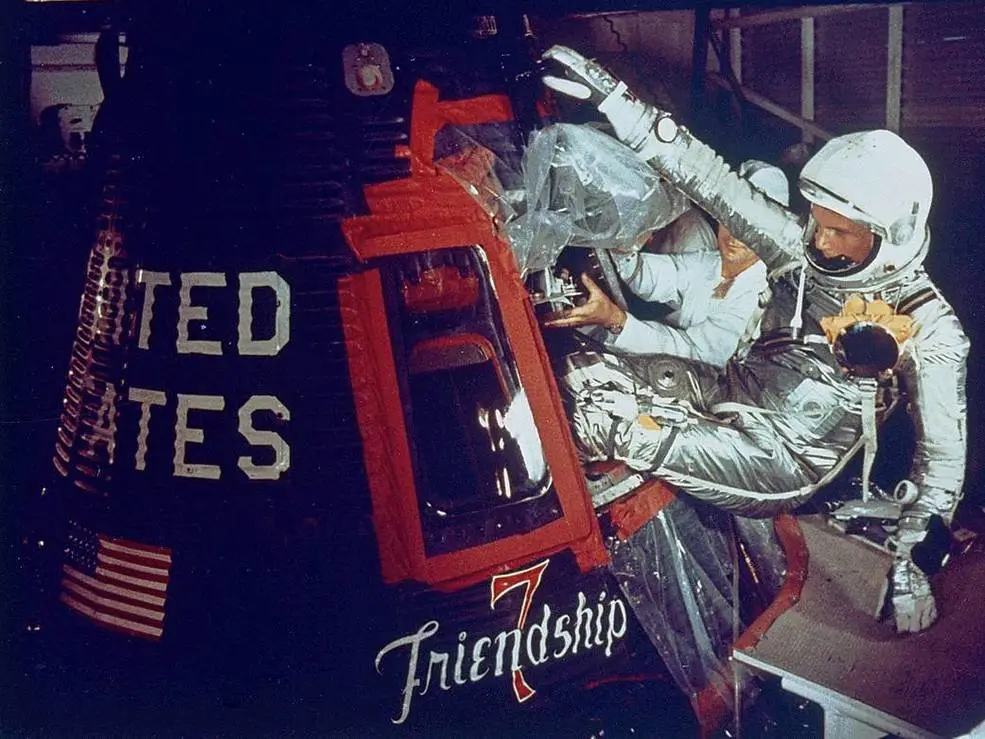
  • John Glenn, the first American to orbit Earth

    After Yuri Gagarin’s historic flight, the US was desperate to catch up with its Soviet rivals. Alan Shepard was the first American to reach space, but John Glenn was the first American to achieve orbit. This piece offers an overview of America’s efforts after Gagarin’s flight, and a moment-by-moment history of Friendship 7, from its launch at Cape Canaveral to its recovery near the Turks and Caicos Islands.

  • How the Soviets won the early Space Race

    Sparked by the arms race during the Cold War, the Space Race became symbolic of geopolitical supremacy on Earth. This video traces the development of rocketry from pioneers like Tsiolkovsky and von Braun through World War II and into the 1950s. During this period, both the US and the USSR rushed to build rocket programs, culminating in the Soviet Union's successful launch of Sputnik I in 1957.

    Video

    How the Soviets won the early Space Race

  • Whatever happened to the Space Race?

    By 1975, the US and Soviet Union had been embroiled in the Cold War for decades. So it was big news when Soviet cosmonauts and American astronauts met in outer space to … shake hands and study fish eggs. Equal parts diplomatic effort and scientific research collaboration, the Apollo-Soyuz Test Project offered a glimpse of what international collaboration could look like, at least in the field of space exploration.

  • Twenty everyday items that NASA invented (infographic)

    Older readers may associate NASA inventions with things like Tang drink mix and freeze-dried ice cream. But the list of inventions that can be traced back to NASA is much longer, and involves technologies that many of use daily. This piece provides a glimpse of just how many ways NASA has changed our lives, even if we didn’t know it.

  • Sputnik: the Space Race's opening shot

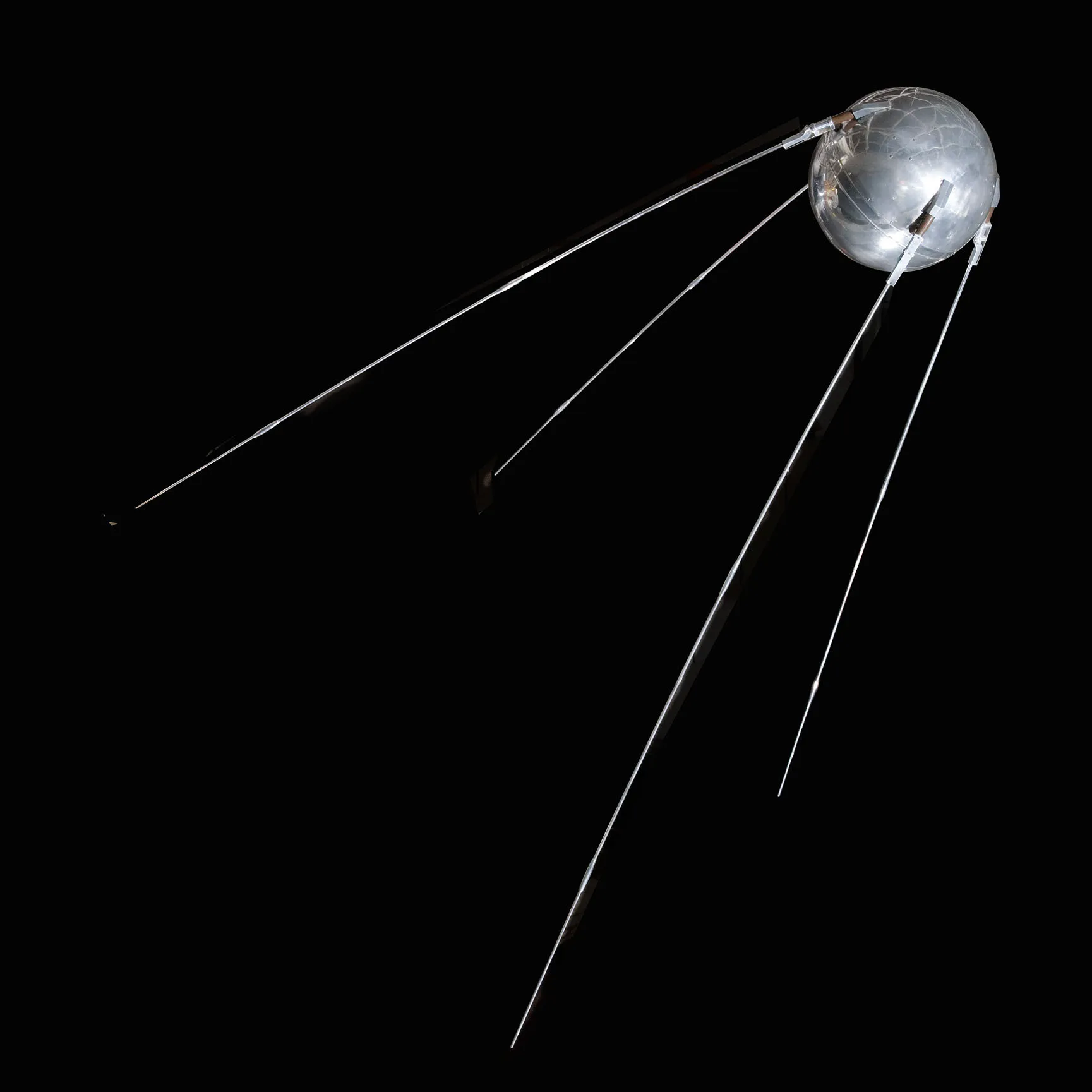
    As the title says, the Space Race began when the Soviet Union put Sputnik into orbit. But why was that such a big deal? And what exactly did Sputnik do, anyway? This article explains precisely what Sputnik was and why the world was shocked when the Soviet Union launched it. Sputnik itself did not accomplish a great deal. But what it symbolized would change space exploration, and the world.

  • The last Soviet

    In 1991, the Soviet Union dissolved—and so did its space program. That was bad news for cosmonaut Sergei Krikalev, who was still aboard the Soviet space station. Krikalev stayed in space seven months longer than planned, sometimes relying on an Australian radio operator for updates. This limited podcast series is hosted by former boy band star and Russia-trained astronaut Lance Bass.

Explore World History

Weave together the many narratives of world history with our highly curated and expanding selection of diverse, fascinating resources designed to showcase the breadth and richness of Earth's story, from the earliest traces of human civilization to the dramatic developments of contemporary cultures.

View All World History