Aztec Empire

Overview

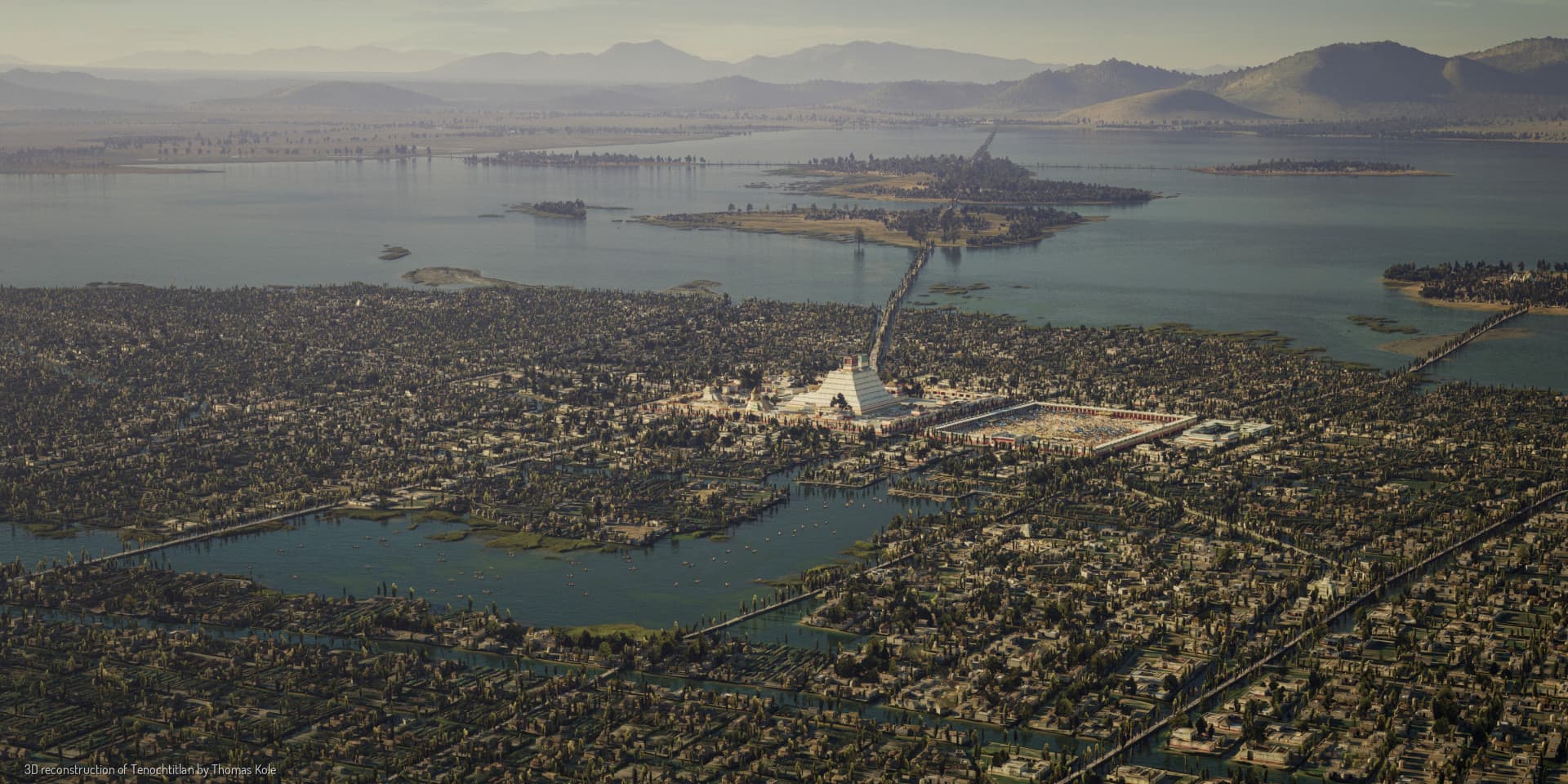
On a raised island in the shallow waters of Mexico’s Lake Texcoco in the 14th and 15th centuries, a triple alliance of warrior city-states known as the Aztecs built Tenochtitlan, one of the greatest cities in the Americas.

1440 Findings

Hours of research by our editors, distilled into minutes of clarity.

  • The evolution of Mexico City, from the Aztecs to today

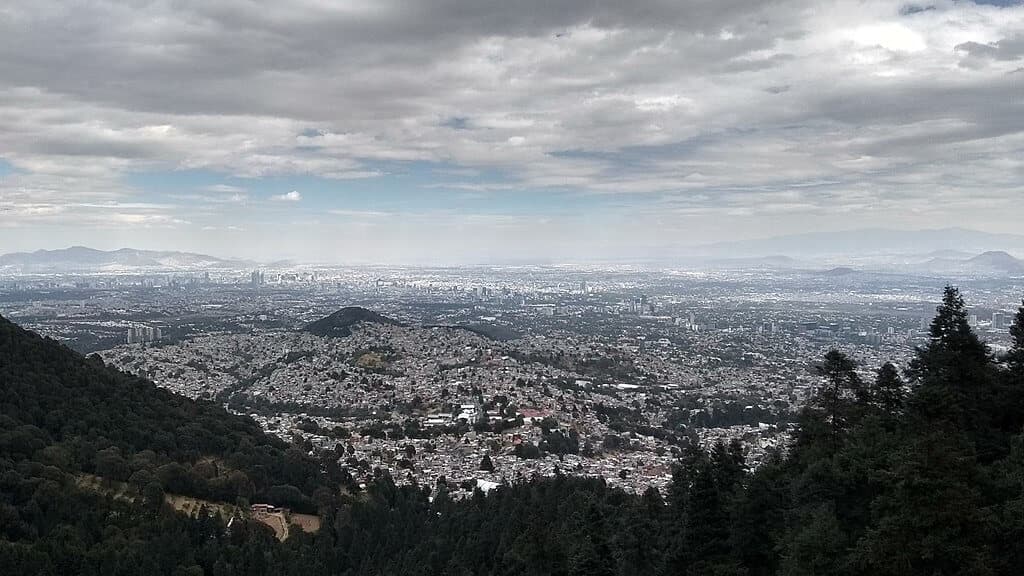
    The sprawling modern city situated in the Valley of Mexico began a millennium ago as an island in the middle of Lake Texcoco, connected to land through a series of causeways. Learn how the Aztecs built Tenochtitlan, how the Spaniards conquered it, why the lake disappeared, and more with this visually rich history and geography of a city of 9 million people.

  • The chemistry of ancient tacos

    This 16-minute podcast explores the chemistry of Mesoamerica's corn tortillas, which involve a 3,500-year-old chemical process called nixtamalization that releases vitamins, including niacin, one of the essential B vitamins. This process also makes the tortillas softer and more delicious. Corn tortillas were a staple in Mesoamerica, and the archaeologist interviewed in this podcast argues cultures like the Aztecs and Maya wouldn't have thrived without nixtamalization.

  • Who were the Aztecs?

    Much of what we know of the Aztecs derives from European, namely Spanish, histories of the people and events of the time. But what would the story look like from the perspective of the Aztecs? The group consisted of three allied city-states, one of which was the Mexica, and they saw themselves as scrappy overcomers who had carved space on a long-ignored lake island and its surrounding regions. Learn the Aztec view from expert Camilla Townsend in this podcast.

  • Elizabethan occultist's divination mirror was crafted by the Mexica

    John Dee was a famous adviser to Queen Elizabeth I, often using magical items—including a literal crystal ball—to attempt to foretell the future. Among these items was an obsidian mirror believed for centuries to have been made by the Aztecs, but doubts persisted as no one knew how Dee could have acquired it. Recent scientific analyses revealed the origin of the obsidian as from volcanic rock located in Pachuca, Mexico, establishing it as a legitimate Aztec item.

  • The Aztec practice of human sacrifice, explained

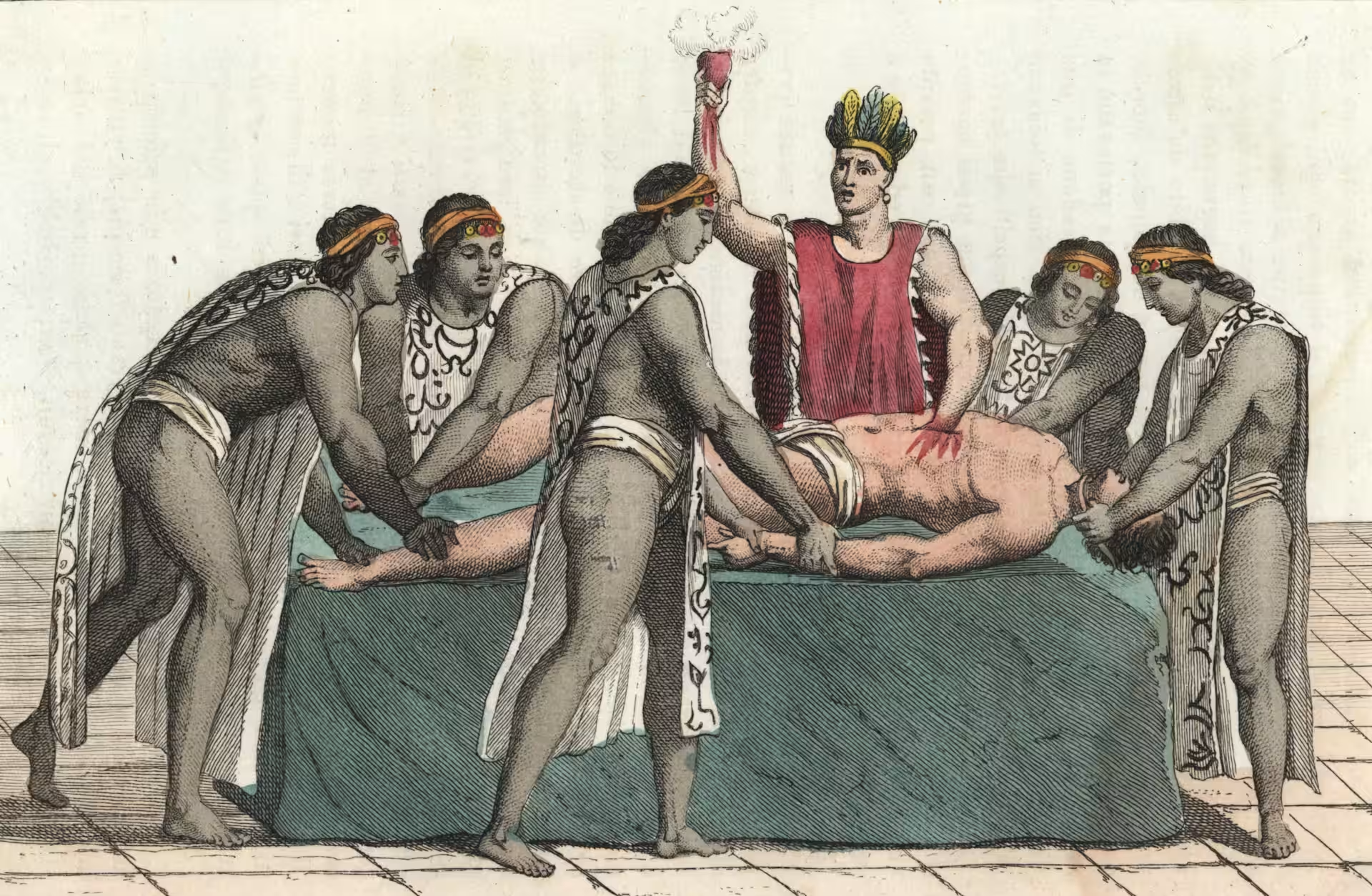
    The Aztecs controlled a vast territory through military might and intimidation. One very key—and to moderns, totally taboo—tactic of control was the ritual of human sacrifice, attested to by written accounts and archaeological discoveries at Tenochtitlan. While an effective scare tactic, the ritual was also based in fully-developed beliefs the world was sustained by blood.

  • Did the Aztecs actually make crystal skulls?

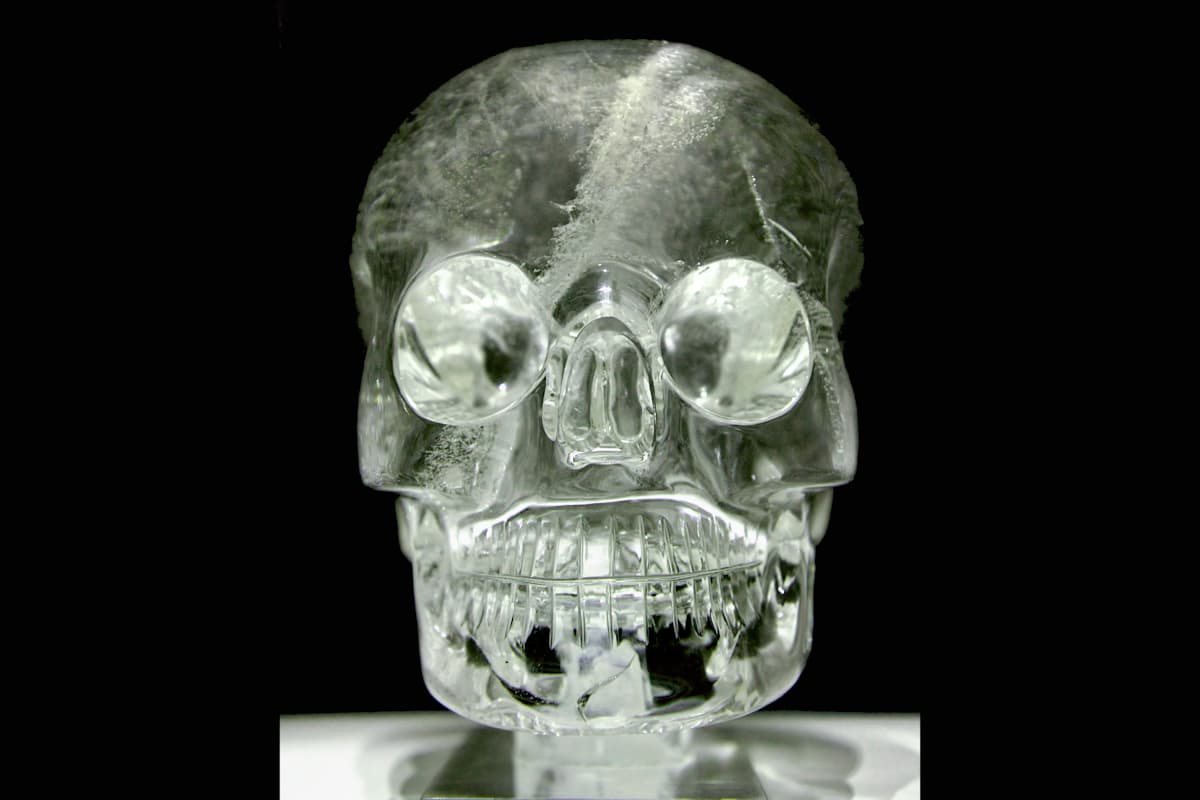
    The famous Aztec crystal skulls found in museum collections around the world—and immortalized by Indiana Jones—are, in fact, fabricated, and can all be traced back to one man: Eugène Boban, a French antiquities expert from the late 19th century. For over a century, the skulls fooled countless museum visitors until anthropologist Jane Walsh began investigating the objects more closely.

  • These Aztec-era farming islands fed hundreds of thousands

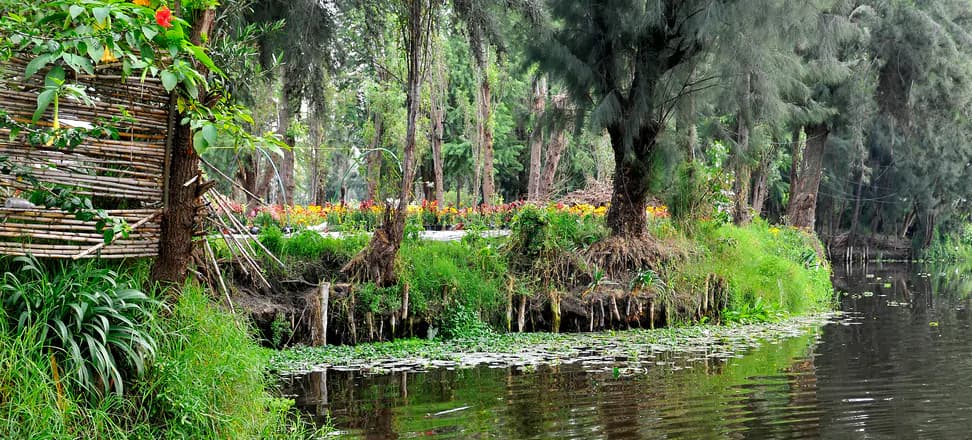
    These human-made islands, called chinampas, were cooling oases, wildlife sanctuaries, and incredibly effective farms during and even prior to the Aztec civilization in the 13th and 14th centuries. Though modern agribusiness and global supply chains have reduced their role in the region, renewed interest in the food security they offer has increased awareness of the ancient technique. Read more here.

  • The geography of the Aztec valley of Mexico

    With an average elevation of 7,000-feet, Mexico's historical valley basin stands literally tall in the annals of history. Surrounded by volcanic mountains, the valley's center was once the vast, shallow Lake Texcoco, the site of the Aztec city Tenochtitlan. Learn the lay of this ancient, fertile land with this geography explainer on a key cradle of world civilization.

  • The Aztec empire: an overview

    Named after Aztlán, a mythical land of plenty, the Aztec empire was a highly accomplished civilization, with major developments in agriculture, trade, art, and architecture. Their empire spread across most of today's central Mexico and was only growing in power when the Spanish conquistadors landed in the early 16th century, the catalyst for their eventual downfall. Read this historical overview of an empire that once dominated Mesoamerica.

Explore World History

Weave together the many narratives of world history with our highly curated and expanding selection of diverse, fascinating resources designed to showcase the breadth and richness of Earth's story, from the earliest traces of human civilization to the dramatic developments of contemporary cultures.

View All World History