Cuban Revolution

Overview

From 1953 to 1959, a small band of revolutionaries led by Fidel Castro and Ernesto “Che” Guevara overthrew the Batista dictatorship in Cuba and established a socialist state in its place, the first in the Western Hemisphere.

1440 Findings

Hours of research by our editors, distilled into minutes of clarity.

  • A brief history of America and Cuba

    While the mid-century revolution and the Cuban missile crisis typically earn the most attention in US-Cuban studies, their history goes back 150 years amid slavery debates and sugar plantations. Prior to the revolution, the US vacillated between imperial control and neutral indifference toward their southern neighbor, policies which forever shaped the Caribbean island's history. Watch a brief overview here.

    Video

    A brief history of America and Cuba

  • A timeline of US-Cuba relations

    Only 90 miles of warm Caribbean water separates Cuba’s white-sand beaches from American soil. But for over 50 years, relations between the two countries became so icy the chasm seemed unbridgeable. This timeline covers key events in the six-decade relationship, including the 1962 embargo imposed by JFK that would cost Cuba more than $130B.

  • The story behind Che Guevara's iconic photo

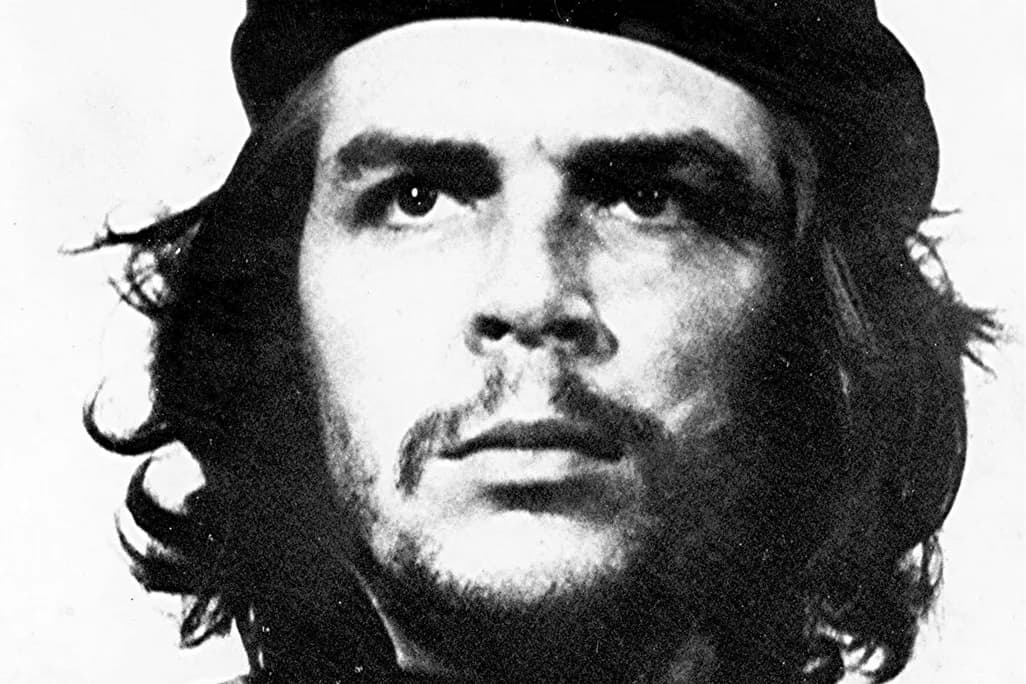
    Alberto Korda wasn’t even there to photograph Che: the newspaper photographer had his Leica trained on Fidel Castro when Che briefly emerged from behind the podium just long enough for Korda to snap that legendary photo. This longread details how Korda’s image has since become a strange capitalist knickknack, appearing everywhere from the cover of a Madonna album to Jean-Paul Gaultier’s sunglasses.

  • The Cuban Revolution: a timeline

    How did a dozen revolutionaries take down one of the 20th century’s most power-hungry autocrats? One important turning point came in the fall of 1958 when Castro’s rebels captured a train car full of ammo on its way to resupply the under-equipped troops at one of Fulgencio Batista’s last military strongholds, Santa Clara. This “anticolonial” timeline makes sense of the revolution, from what catalyzed it to its legacy in the present day.

  • The history of the Cuban Missile Crisis

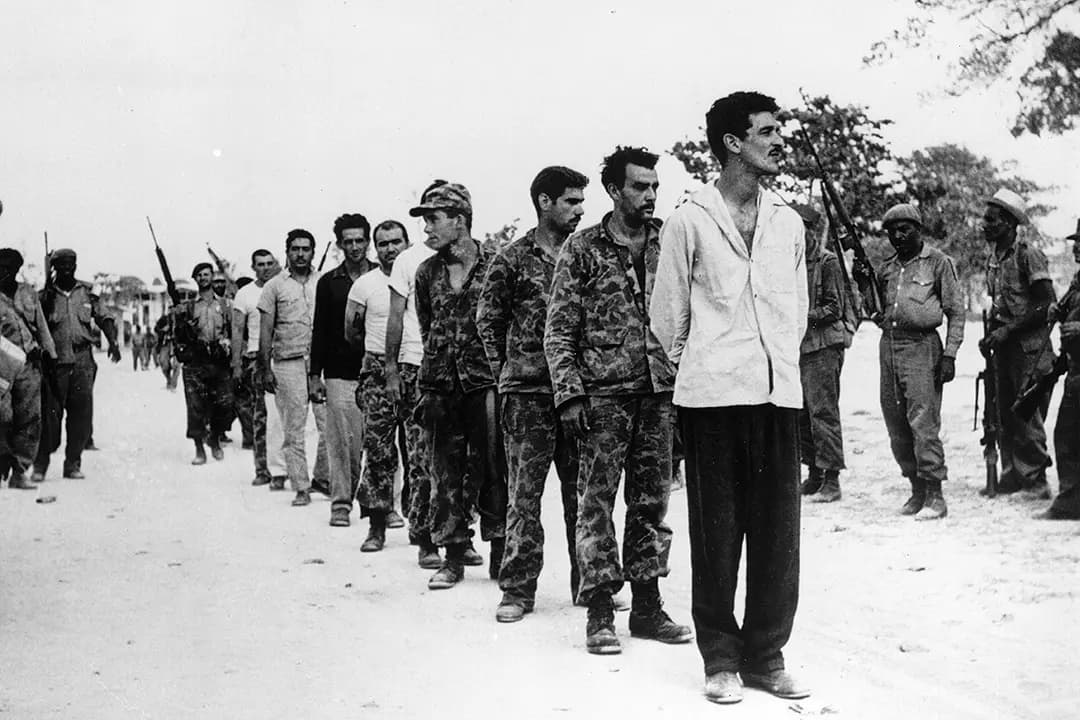
    In light of the failed attempt of a CIA-sponsored takeover of Cuba by a group of Cuban exiles, the newfound communist regime under Fidel Castro sought help from the like-minded Soviet Union. The Soviets built nuclear missiles on the island 90 miles to the south of the US to defend Cuba from attack, a move which brought the world the closest ever to nuclear catastrophe. Learn the tense history with this short video.

    Video

    The history of the Cuban Missile Crisis

  • A contemporary account of the embargo of Cuba

    In 1960, State Department official Lester Mallory wrote a secret memo outlining in the bluntest terms a rationale for imposing trade restrictions on Cuba. An embargo was “the only foreseeable means” of getting rid of Castro, he wrote. Its goal? “To decrease wages, to bring about hunger, desperation, and the overthrow of [the] government.” This archive brings together bushels of declassified US government documents relating to the embargo, and others obtained through the Freedom of Information Act.

  • The life of Fidel Castro

    Born to a wealthy landowner, Fidel Castro was only 27 when he led his first uprising against Cuban dictator Fulgencio Batista. At his trial, he uttered a phrase that people would quote for the rest of his life, and beyond: “History will absolve me.” Find this and other milestone moments in the life of one of the most significant figures of the 20th century in this photo-heavy timeline/obituary.

  • Snapshots of the fall of Havana

    When word got out that Fulgencio Batista had fled the country on New Year’s Eve, photographer Burt Glinn got on the first plane out of Miami, without even waiting for an assignment from a newspaper. But the photographs he captured on arrival in Havana made history. From commandeered tanks rolling through the streets of Old Havana to triumphant guerillas reuniting with their tearful mothers, the images capture the jubilation and confusion of a country on the verge of the unknown.

  • Follow the days of the Cuban Missile Crisis

    The most consequential effect of the Cuban Revolution was its role in bringing the US and Russia to the brink of nuclear war. To many, those 13 days in October 1962, felt like they lasted 13 years. This interactive site from the JFK Library tells the story of those tense days in documents, photographs, and audio recordings of conversations between Kennedy and figures such as Dwitght D. Eisenhower, J. Edgar Hoover, and Howard Macmillan.

Explore World History

Weave together the many narratives of world history with our highly curated and expanding selection of diverse, fascinating resources designed to showcase the breadth and richness of Earth's story, from the earliest traces of human civilization to the dramatic developments of contemporary cultures.

View All World History