Pompeii

Overview

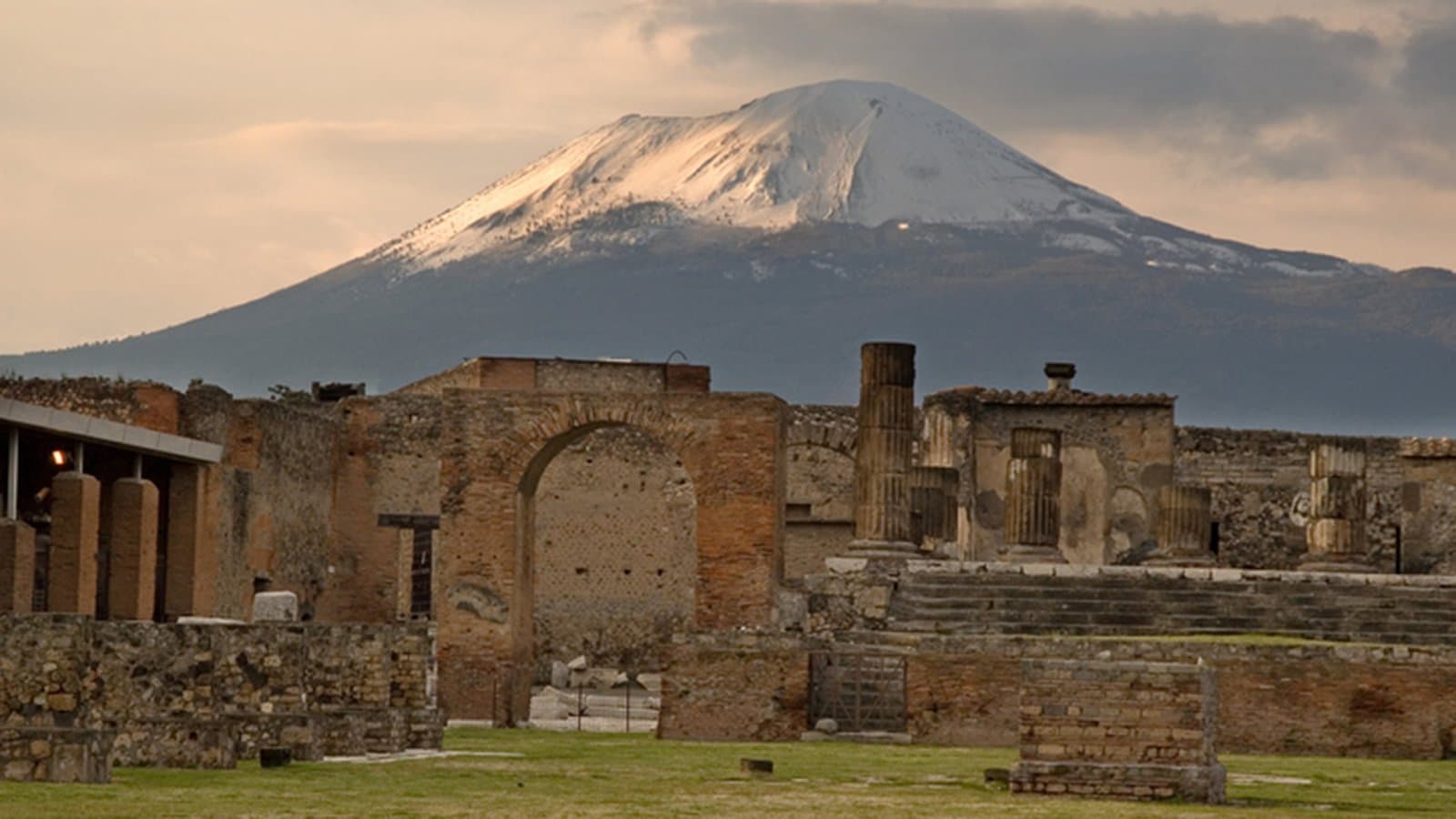
Located just outside of present-day Naples, Italy, Pompeii was a thriving ancient Roman city until the year 79 CE, when Mount Vesuvius erupted and buried the city under roughly 20 feet of volcanic ash.

1440 Findings

Hours of research by our editors, distilled into minutes of clarity.

  • Slaves, poverty, and brothels in Pompeii

    They say history is written by the victors, and indeed we know much more about the lives of kings and nobles than of people who scraped by on society’s lowest rungs. Pompeii is the exception: its well-preserved graffiti and artifacts tell us the stories of history’s voiceless. In this longread for Aeon, historian Guy Middleton paints a picture of the brutal conditions endured by the enslaved women who worked in Pompeii's brothels.

  • The haunting casts revealing Pompeii's victims

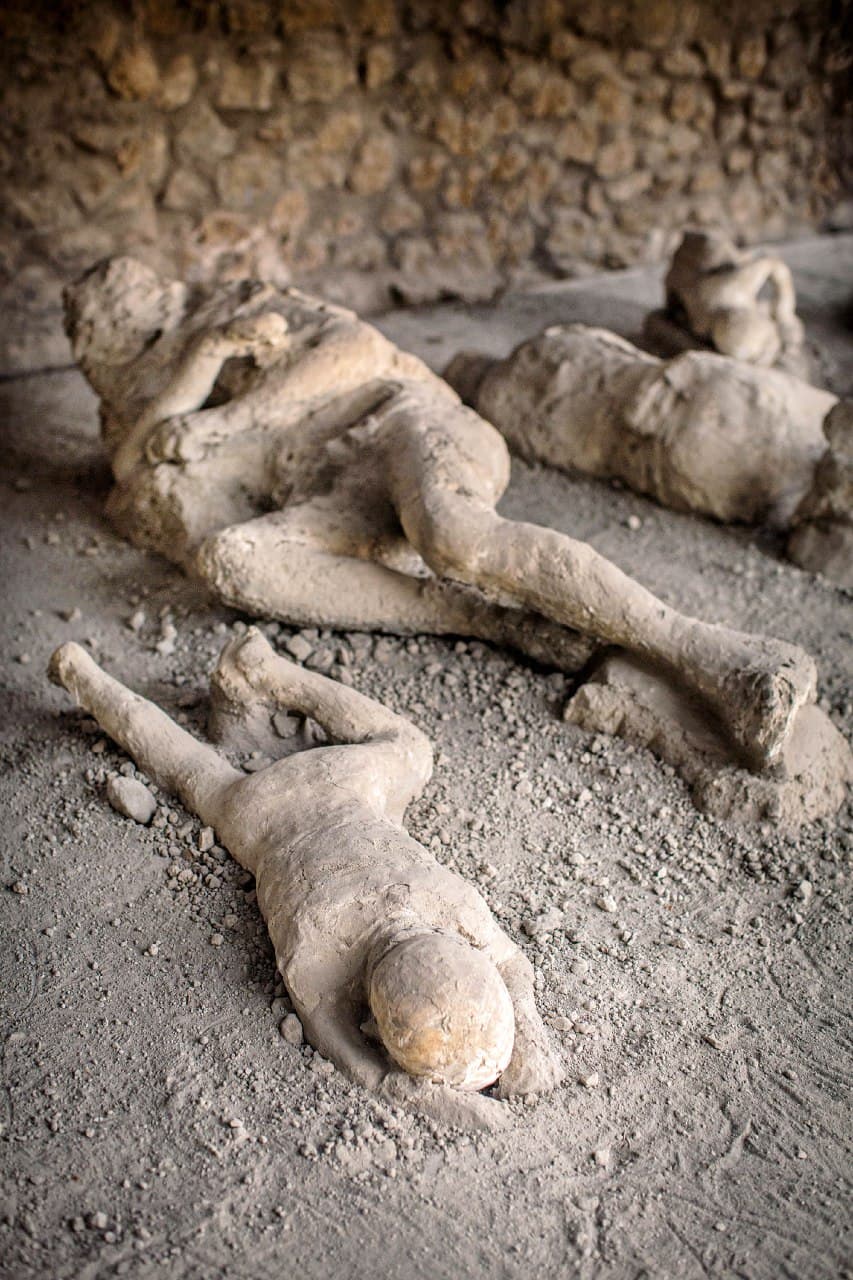
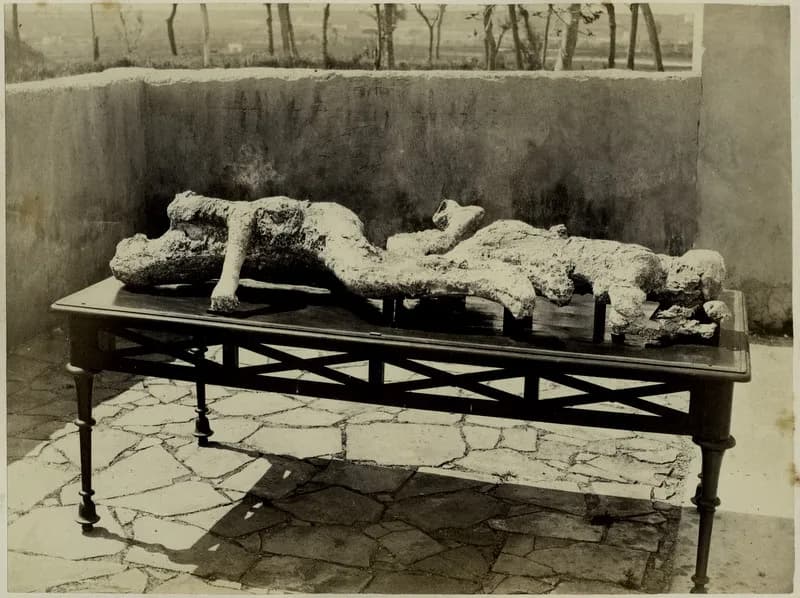
    No doubt the most haunting remnants of Pompeii are the plaster casts. These artifacts capture in excruciating detail what the disaster’s victims looked like in their final moments, from their body positions to the expressions on their faces as they tried to hide or escape. Learn how the 19th-century archaeologist Giuseppe Fiorelli came up with this unusual method of preserving the remains, centuries after the bodies themselves had decomposed.

  • Imagining how Pompeii citizens responded to Vesuvius

    Because only several hundred bodies have been found at Pompeii, researchers think most of its residents escaped with their lives—but how? Once the ash started to fall, some chose to hunker down in their homes and wait it out, while others fled—some by land, some by sea. This short animation from TED-Ed explains how three hypothetical Pompeiians fared depending on which survival strategy they chose.

    Thumbnail of video with text Surviving Pompeii
    Video

    Imagining how Pompeii citizens responded to Vesuvius

  • How did people survive the eruption in Pompeii?

    In 79 CE, Mount Vesuvius erupted and buried Pompeii under roughly 20 feet of volcanic ash. This deadly eruption killed much of the city’s population, but archaeologists recently discovered evidence of survivors. In this podcast episode, classicist Steven Tuck challenges the popular belief of total annihilation and explains how people may have survived, and how they continued to live after the disaster.

  • Gladiator armor, 101

    During early excavations at Pompeii, a trove of gladiator armor and weapons came to light. Since they show no signs of use, it is conjectured they were worn only during the procession before the games. This gallery of images provides a detailed look. Anyone who visits the National Archaeological Museum at Naples can see them firsthand.

  • The fascinating details of life in Pompeii

    Ancient Rome wasn’t all togas and gladiators: Pompeii had many features we’d recognize in our own cities today, both the good (like cafes) and the bad (crime). In this guide from the BBC’s History magazine, acclaimed historian Mary Beard reveals some surprising things about daily life in Pompeii.

  • Italy's supervolcanoes

    Vesuvius gets all the press, but there’s an even more dangerous magma monster lying in wait nearby: the Campi Flegrei supervolcano. More than half a million people live in its danger zone. This short documentary from the BBC details how geologists monitor Campania's volcanos, and explores the sublime beauty of living in their shadow.

  • Pompeii, a documentary

    Archaeologists continue to explore the captivating remains of volcano-destroyed Pompeii. Currently they're using intricate, high-tech tools to probe deeper into the city’s history and culture. This 50-minute, in-depth documentary follows the scores of experts revealing secrets from Pompeii, including detailed images of the people killed that day, clearer scans of the buried city’s layout, and more.

    Thumbnail of video featuring cast of Pompeii victim
    Video

    Pompeii, a documentary

  • A 101 on Pompeii

    Vesuvius’ eruption in 79 CE preserved an entire Roman city in ash, leaving future archaeologists an unprecedented gift: the most complete glimpse to date into the daily life of ancient Romans. The encyclopedia entry, originally written by one of the site’s leading archaeological scholars, is a one-stop shop for all things Pompeii, including what several generations of archaeologists have discovered over centuries of excavation.

Explore World History

Weave together the many narratives of world history with our highly curated and expanding selection of diverse, fascinating resources designed to showcase the breadth and richness of Earth's story, from the earliest traces of human civilization to the dramatic developments of contemporary cultures.

View All World History