Soviet Union

Overview

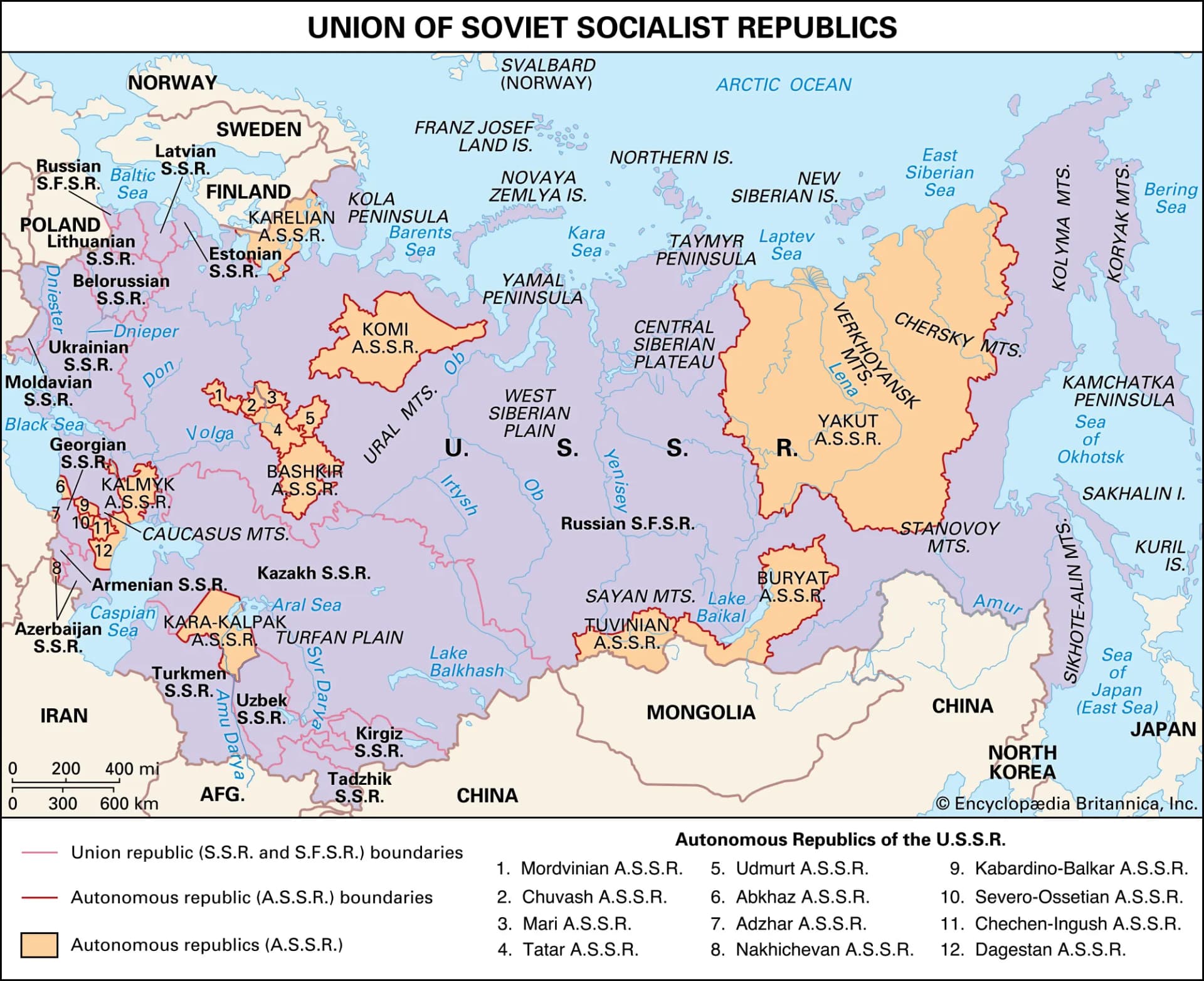
The Soviet Union—officially, the Union of Soviet Socialist Republics or USSR—was a global superpower from 1922 until its collapse in 1991. At its height, it was the largest country in the world, taking up one-sixth of the planet's land mass and holding nearly 300 million people from more than 100 nationalities.

1440 Findings

Hours of research by our editors, distilled into minutes of clarity.

  • The fall of the USSR, explained

    Decades of economic stagnation combined with rising costs from the nuclear arms race with the US brought the Soviet Union to a radical need for reform in the 1980s. Under eighth Soviet leader Mikhail Gorbachev, the Communist country sought to restructure its economy and open up its diplomacy to provide a jolt to the stultified country—but to no avail. Independence movements in its various republics quickly led to the toppling of the regime. Watch a quick overview here.

    Video

    The fall of the USSR, explained

  • The Red century: A timeline of global communism

    From a western perspective, Communism was the most dangerous idea of the 20th century, drawing the US into hot and cold wars in Vietnam, Korea, Cuba, and beyond. This multimedia timeline from the Washington Post explores the rise and fall of communist movements worldwide during the “Red Century.” Published to commemorate the 100th anniversary of the Russian Revolution, it features photographs of historical figures and milestone events, from the Tiananmen Square protests to Kim Jong Un.

  • Hitler's 1941 invasion of the USSR doomed Nazi Germany

    Hitler unleashed Operation Barbarossa on June 22, 1941, underestimating Soviet resilience, Russian winter, and logistics. His overconfidence—rooted in early victories like France—turned this campaign into a strategic catastrophe, shifting the war’s momentum irreversibly—often cited as his greatest blunder.

    Video

    Hitler's 1941 invasion of the USSR doomed Nazi Germany

  • The mistake that toppled the Berlin Wall

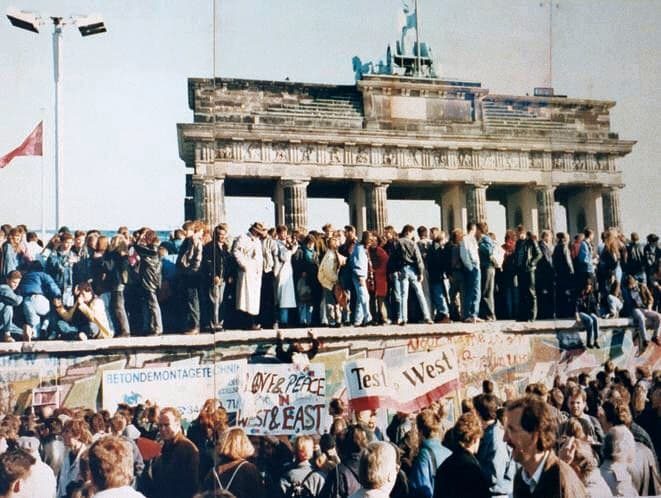
    After World War II, Germany and its capital of Berlin were split between four Allied powers and ultimately formed into two new countries: the Communist East Germany and the Democratic West Germany. This nine-minute video details the reunification of Germany, starting with the accidental fall of the Berlin Wall in 1989.

    Video

    The mistake that toppled the Berlin Wall

  • What is a centrally planned economy?

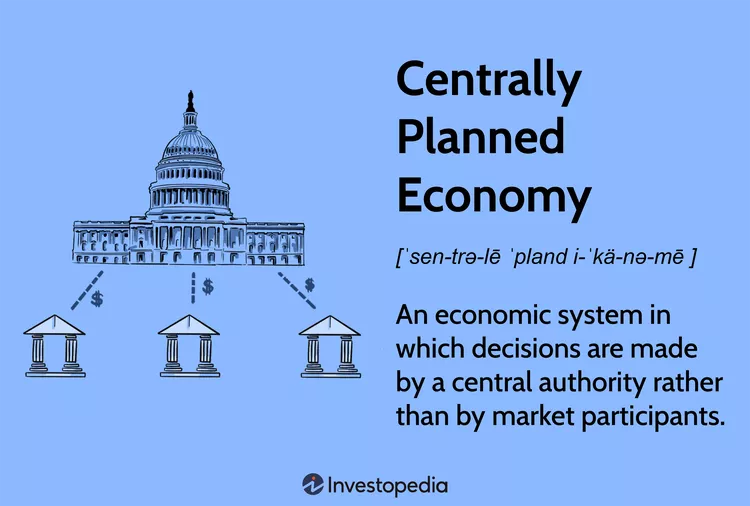
    You’re probably familiar with how a market economy works through the forces of supply and demand, but if you’ve ever wondered how communist economics functioned, Investopedia has a good primer. It covers which countries historically employed such a model and why; how those states made economic decisions; and how even free-market societies like the US sometimes borrowed elements from command economies, such as price controls and rationing, in times of war or national emergency.

  • A 1983 NATO war simulation provoked the Soviets to prepare for war

    The "SNAFU" podcast, hosted by actor and comedian Ed Helms, explores some of the biggest blunders in history. Season one focuses on the 1983 NATO Able Archer military exercise, a war game that simulated nuclear attacks on the Soviet Union. The USSR mistook the exercise for a genuine threat and prepared its forces for war. Helms recounts this almost catastrophic event in world history with his signature humor.

  • How the Soviet Union collapsed

    In this media-rich timeline, RFE/RL—an American-backed media outlet founded during the Cold War to counteract Soviet propaganda—chronicles the main events leading to the collapse of the Soviet Union, beginning in 1985 with the election of Mikhail Gorbachev. Infographics detail memorable quotes and biographical data from the key figures in the transition from USSR to the Russian Federation.

Explore World History

Weave together the many narratives of world history with our highly curated and expanding selection of diverse, fascinating resources designed to showcase the breadth and richness of Earth's story, from the earliest traces of human civilization to the dramatic developments of contemporary cultures.

View All World History