Manhattan Project

Overview

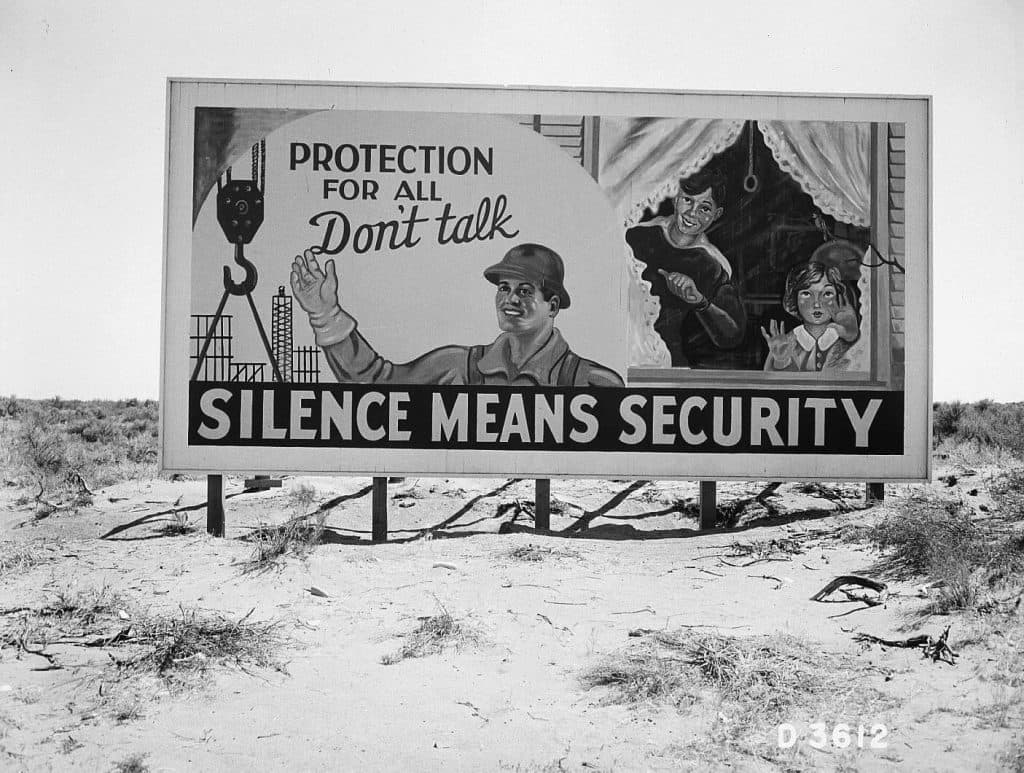
The Manhattan Project was a top-secret US government program that developed the world’s first atomic weapons. Officially formed in 1942, the project’s explicit goal was to develop an atomic weapon before Nazi Germany.

1440 Findings

Hours of research by our editors, distilled into minutes of clarity.

  • Footage of Russia's Tsar Bomba test

    In 1961, the Soviet Union dropped what is thought to be the most powerful nuclear weapon ever actually tested. Named AN602, it is more commonly known as the Tsar Bomba. Russia released footage of the blast in 2020, and the video—shared here by the Reuters news agency—underscores the destructive power of nuclear warfare.

    Video

    Footage of Russia's Tsar Bomba test

  • Manhattan Project explained

    The Manhattan Project was one of history’s most secretive and consequential endeavors, leading to the creation of the atomic bomb during World War II. Sparked by fears that Nazi Germany was developing nuclear weapons, the project brought together top scientists like Robert Oppenheimer and Enrico Fermi to pioneer groundbreaking nuclear science. After years of intensive research and development, the first atomic bombs were dropped on Hiroshima and Nagasaki in August 1945, bringing an end to the war but with catastrophic human tolls. Beyond its devastation, the project’s legacy shaped global politics, sparked the nuclear age, and fueled innovations in medicine, energy, and space exploration. But how did such a massive and secretive operation succeed?

    The image displays the title "Manhattan Project Explained" against a dramatic background of an explosion,.
    Video 1440 Original

    Manhattan Project explained

  • A list of reasons against dropping the bomb on Japan

    One of the perennial moral debates, the dropping of nuclear bombs on Japanese cities prompted strong, polarizing reactions at the time. This article breaks down one side of the argument: that the bomb was designed for defense, using it was illegal and racist, and that there were alternatives.

  • The costs of the Manhattan Project

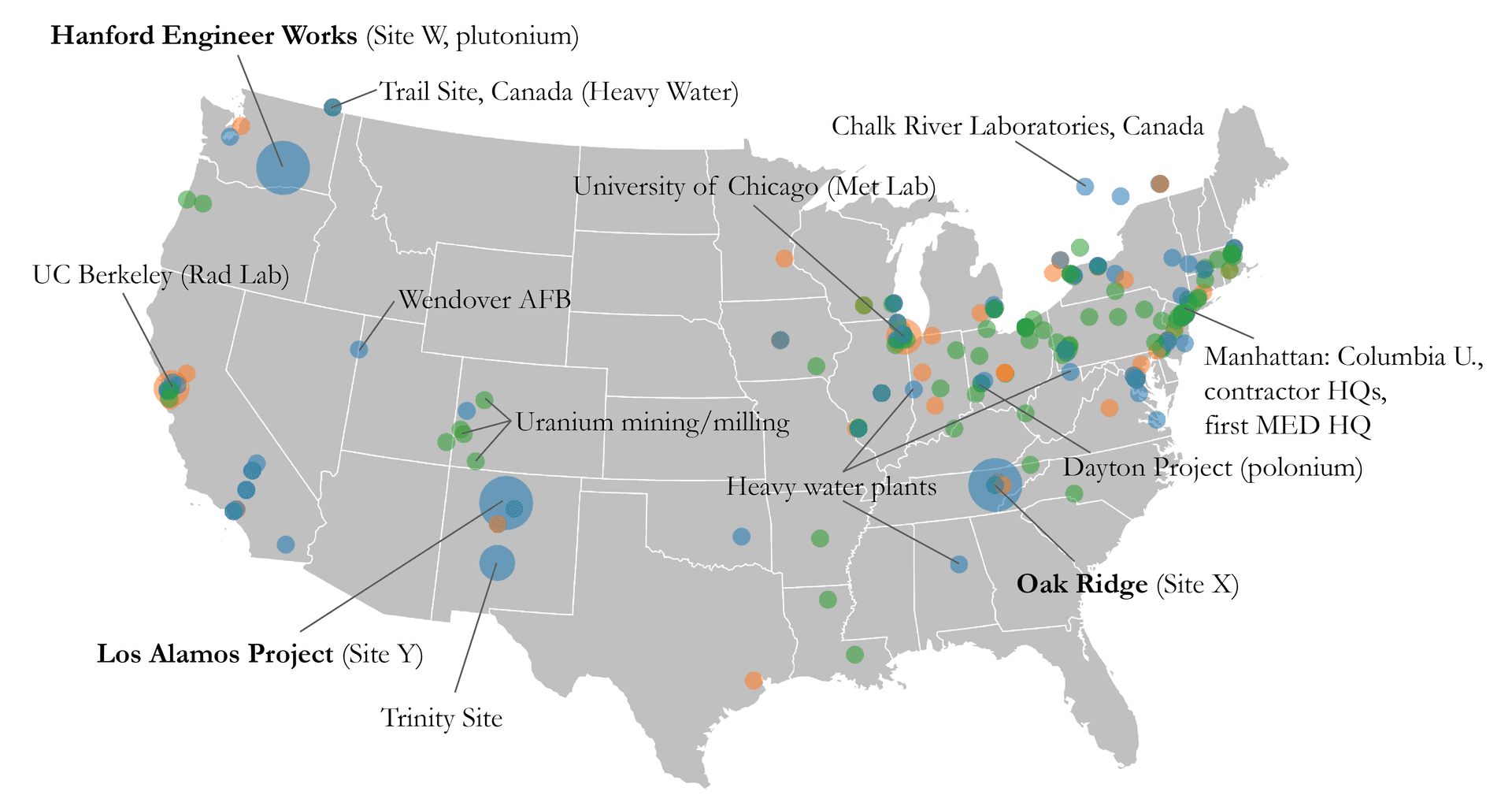
    To create the world’s first atomic weapons, the Manhattan Project employed hundreds of thousands of people and created three research and manufacturing facilities in remote parts of the country. That cost a staggering amount of money. This document stems from a 1998 project that captures the full cost of the Manhattan Project and places it in context by comparing it to other aspects of the war effort during World War II.

  • Manhattan Project: an overview and challenges

    Building an atomic bomb is incredibly complex. Creating the first atomic bombs required the joint effort of some of the world’s most celebrated physicists and thousands of workers scattered across the US. This detailed article from the Encyclopedia of the History of Science describes these challenges in great detail, and how those working on the Manhattan Project addressed those challenges.

  • What was the Manhattan Project?

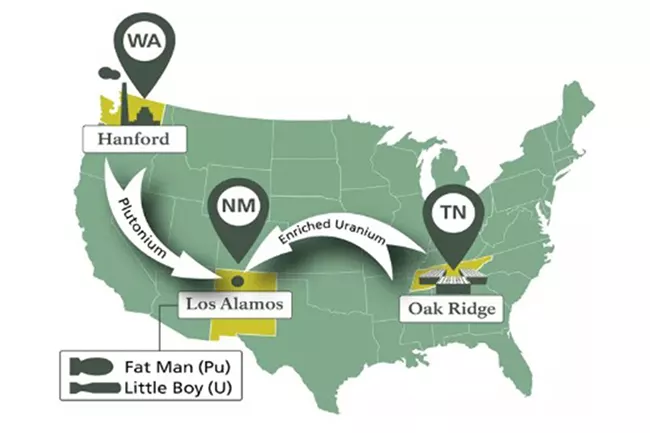
    The Manhattan Project was a top-secret project during World War II focused specifically on developing the world’s first atomic weapons. This history, created by the National Park Service, provides an excellent overview of the project, which was largely conducted at three sites spread across the US—all now part of the Manhattan Project National Historical Park.

  • Okinawa’s ferocity convinced the US atomic bombs was necessary

    The brutal 82-day Battle of Okinawa—where US forces suffered nearly 50,000 casualties and Japanese military and civilians lost over 200,000 lives—clinched the grim reality that a full invasion of Japan would be even bloodier. This stark lesson directly shaped American decisions to deploy atomic weapons, aiming to avoid a potentially catastrophic ground war on the Japanese mainland.

    Video

    Okinawa’s ferocity convinced the US atomic bombs was necessary

  • Einstein and the atomic bomb

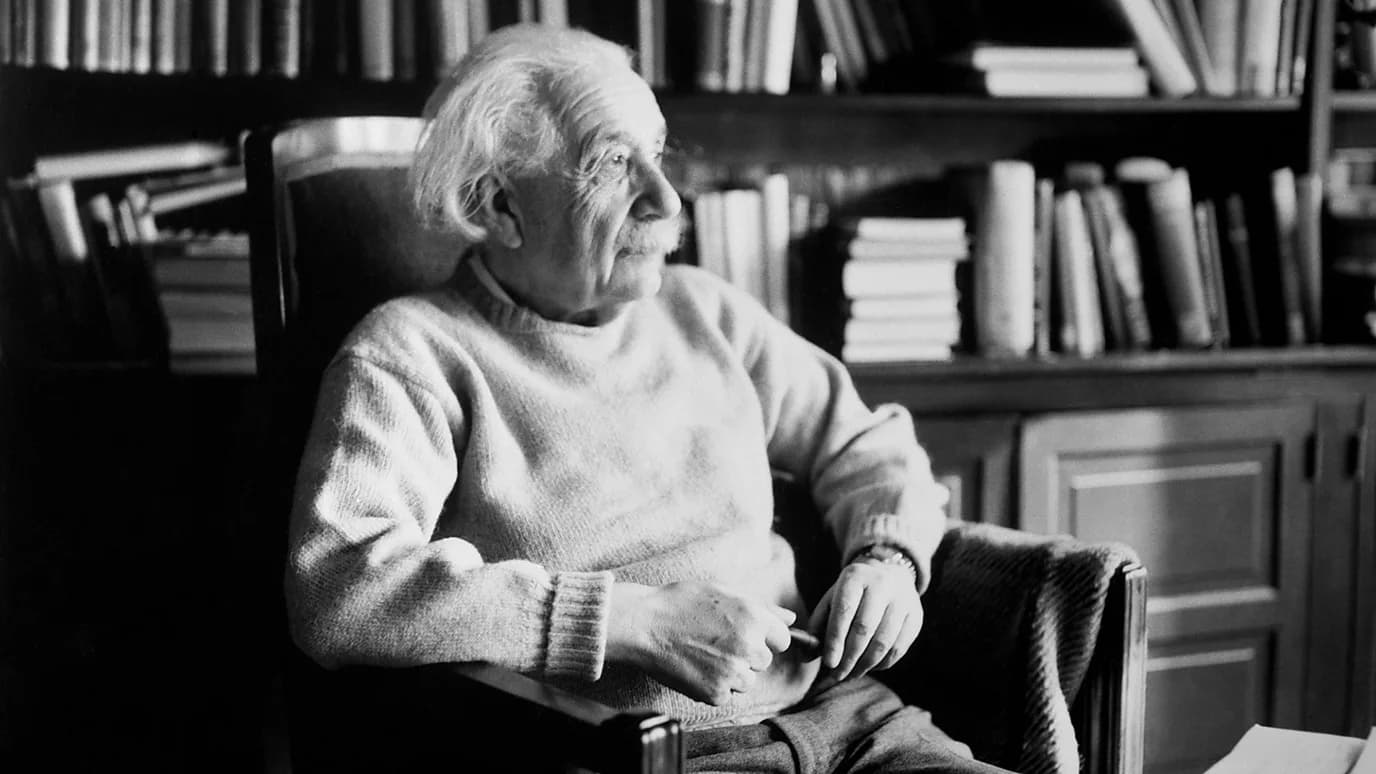
    Albert Einstein’s 1939 letter to FDR told the president that nuclear fission could be a new source of energy, but also warned that fission could be used to create powerful bombs. Einstein was perhaps the world’s most famous physicist, and his letter set the wheels in motion for the creation of the Manhattan Project and the atom bomb. Einstein later regretted the letter, and the role he inadvertently played in creating such devastating weapons.

  • Modern Marvels: The making of the atomic bomb

    This episode of the television program 'Modern Marvels' focuses on the Manhattan Project, combining archival footage and interviews with historians and scientists to shed light on one of the most ambitious military and scientific endeavors in human history.

    Video

    Modern Marvels: The making of the atomic bomb

Explore World History

Weave together the many narratives of world history with our highly curated and expanding selection of diverse, fascinating resources designed to showcase the breadth and richness of Earth's story, from the earliest traces of human civilization to the dramatic developments of contemporary cultures.

View All World History